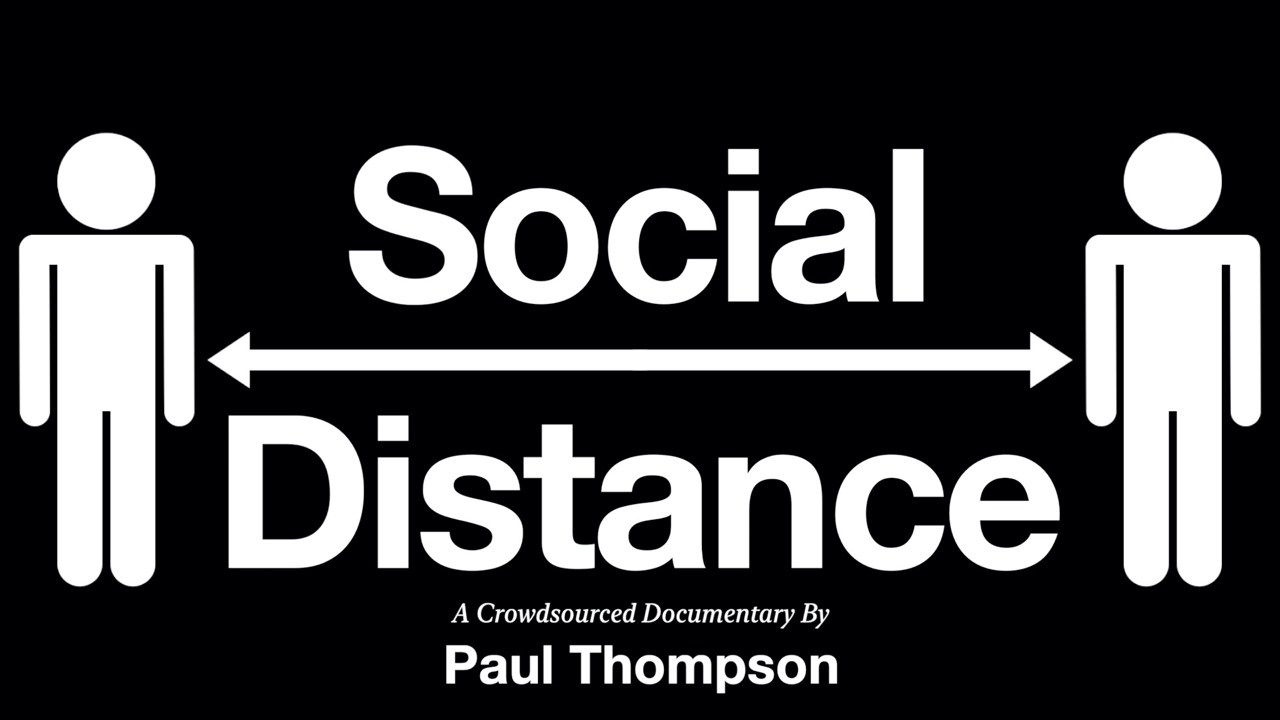
We are living through a very strange and profound moment in our history. The last 3-4 months have been an absolute whirlwind. In addition to the social unrest across the country over the past few weeks, we are still in the midst of a global pandemic. As COVID-19 began rapidly spreading across the United States in mid-March, I felt compelled to document how it impacted ordinary people. However, social distancing protocols prevented me from creating a documentary in the traditional sense (like this film I made last year). This is how I made a documentary during a pandemic.
The Idea
Around March 12 or 13, things really started accelerating related to the pandemic. I have a regular 9-to-5 job, and my last full day working in the office was Monday, March 16. The next day it occurred to me just how strange and surreal everything was. Governors began issuing stay-at-home orders; sports leagues suspended their seasons; K-12 schools, colleges and universities began online instruction; shopping centers, malls, bars and restaurants closed their doors; some employees began working from home while others lost their jobs. I knew I wanted to document this moment, but I didn’t know how. I certainly could not go sit in people’s living rooms and talk one-on-one during a pandemic.
Then the idea struck me one night to make a crowdsourced documentary. The idea was to ask a group of volunteers to film their experiences over several weeks and I would turn that footage into a film. I immediately (perhaps impulsively) put out a request for volunteers on my Facebook page, and I received a positive response. I decided to give it a shot.

Planning & Logistics
Once I had enough volunteers committed to the project, I made a private Facebook group so I could easily communicate with everyone. Almost everyone in the group were strangers to each other, and few were strangers to me. The Facebook group helped me keep everyone engaged with the project over the 4+ weeks of filming and to give some light direction. I often posted short videos and posts with potential topics of discussion in their own videos. This ensured some sense of continuity in the final film since each person was filming their own experience. I did not want to influence anyone’s content, but I was worried about having nine or ten completely different story lines with no way to tie them together. This strategy worked out pretty well in the end.
For each person, I created a shared folder in Google Drive for them to upload their material. This ensured that only they and I had access to their material. Organizing content on my hard drive was super easy as well, since I already had everything separated by subject.
Filming the Documentary
Social Distance was filmed between March 23 and April 19, 2020. Each day I would download any new footage from Google Drive and organize it on my hard drive. I also filmed to b-roll footage on my own, because I knew I would need it. This is an area where I wish I would have done more, but I was not sure exactly what I would need at the time. Next time I will know to shoot much more than I think I will need.
To supplement the content from each subject, I also conducted one-on-one interviews via Skype, FaceTime and Facebook video chat. This turned out to be more challenging to film solo than I anticipated. My set-up at home looked like an episode of Catfish, with lights and cameras all around my computer. I used three camera angles for each interview; one camera on me, one camera on my computer screen (over my shoulder), and a screen recording of the call. Overall, this worked well. I did made a few mistakes along the way, and completely botched one entire interview. In one case, my B-cam was over exposed. In another case, my A-cam wasn’t running at all. These mistakes taught me lessons that I will take with me into my next project.

Editing
Editing was an adventure. Fortunately, I had enough foresight to instruct everyone to use a specific frame rate/resolution on their cameras for consistency. The fastest way to ruin this project would be to have a bunch of footage at different frame rates . I settled on 30 fps because I assumed most people would use their phone cameras, which typically default to 30 fps. As I suspected, most people DID use their cell phones, so audio was a total nightmare. I am certainly not an audio engineer, and I did the best I could to make sure everything sounds good. My main focus was leveling the volume and eliminate peaking. Some bits didn’t turn out so great, but in a way I believe that’s part of the charm of this film. These are not professional filmmakers, and the imperfections in quality reflect that these are ordinary people.
Crafting a cohesive narrative out of individual pieces of footage from ten different people was a challenge. Between the footage I collected and the interviews, I had over seven hours worth of content to sort through. That’s the most material I have ever had to work with, and at times I felt overwhelmed. I worried that I would not be able to tie things together in a way that made sense. I had to make difficult decisions about cutting material I liked yet did not have a logical fit in the film. My approach to editing was to start with small scenes that I could easily picture in my head and build around those. Over time, things started to come together and I could begin to see the bigger picture.
The final piece of the puzzle was music. I’m not a musician and I had no budget for an original score. I tried making some original music myself in GarageBand, but I failed. Ultimately, I used Filmstro for most of the music. I have used it in the past and it is a great tool for budget filmmakers to compose “custom” pieces of music for their films. Luckily, one of the subjects in the film (and a friend of mine, Steve) is a musician, and he contributed a piano piece and the end credits music. Working with him remotely to craft music that fit the tone and mood of the film was interesting and challenging. This was also the first time I have worked with someone to create an original piece for a project. I love how it turned out.
The Finished Documentary
When I started this project I didn’t know what to expect. I was not sure how willing people were going to be to put themselves on display during a difficult time. I was not sure how much material I would have to work with, and I was not sure how long the final film would be. My goal was to make a 20-30 minute film, which would have been the longest the film I have ever made. Instead, I made an hour and fifteen minute film, my first full-length documentary ever. Social Distance certainly is not perfect, but the circumstances surrounding it forced to think more creatively than ever before. Finally, I am so grateful to everyone who participated in the is project, because without them, this project would not have been possible.